What I Learned Turning 40
I turned 41 today....and over this past year, I didn’t mark it with a big declaration or a dramatic pivot. Instead, I started a new hobby. I started running.
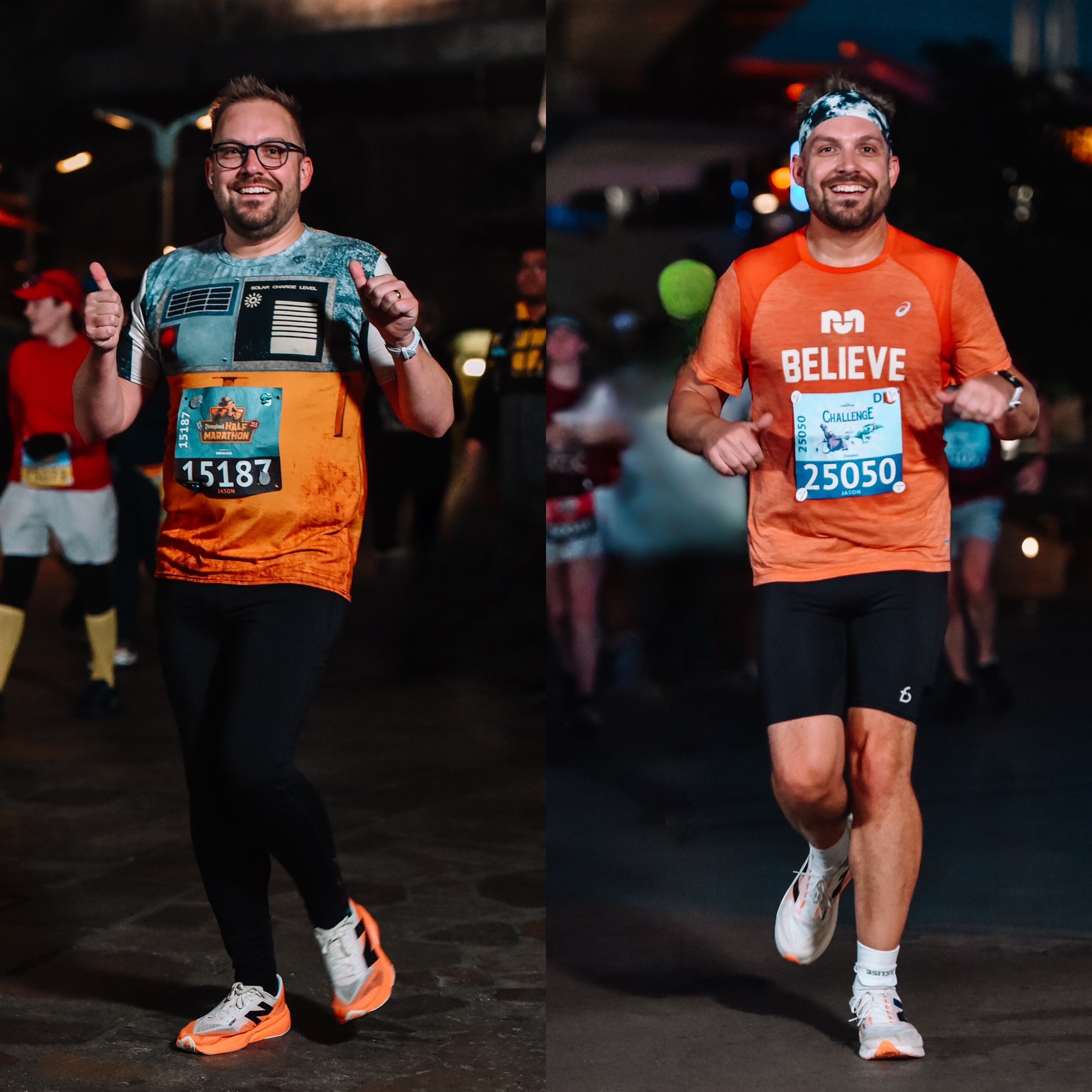
At 39, almost on a whim, I signed up for my first race—the Disneyland Half Marathon. I had no real idea what I was doing, no long-term plan, and certainly no expectation of what the year would become. That first race took me 3 hours and 30 minutes. It was hard, uncomfortable, and humbling.
But I kept going.
Over the course of the year, I ran four half marathons. Each one told a different story:
3:30
2:15
2:03
1:51
The numbers matter, but not for the reason you might think. What changed wasn’t just fitness—it was perspective.
We Overestimate the Day and Underestimate the Year
One of the biggest lessons I’ve learned—both personally and professionally—is this:
We always overestimate what we can do in a day, and underestimate what we can do in a year.
A single workout doesn’t feel transformative. A single focused work session doesn’t feel like it moves the needle much. But consistency compounds quietly. Progress doesn’t announce itself—it shows up later, almost unexpectedly, when you realize you’re no longer where you started.
That 1:51 half-marathon wasn’t the result of one great run. It was the result of showing up on a lot of unremarkable day.
Goals Require Permission
Another lesson that crystallized this year is that achieving meaningful goals often starts with a conscious decision—not to do more, but to go deeper.
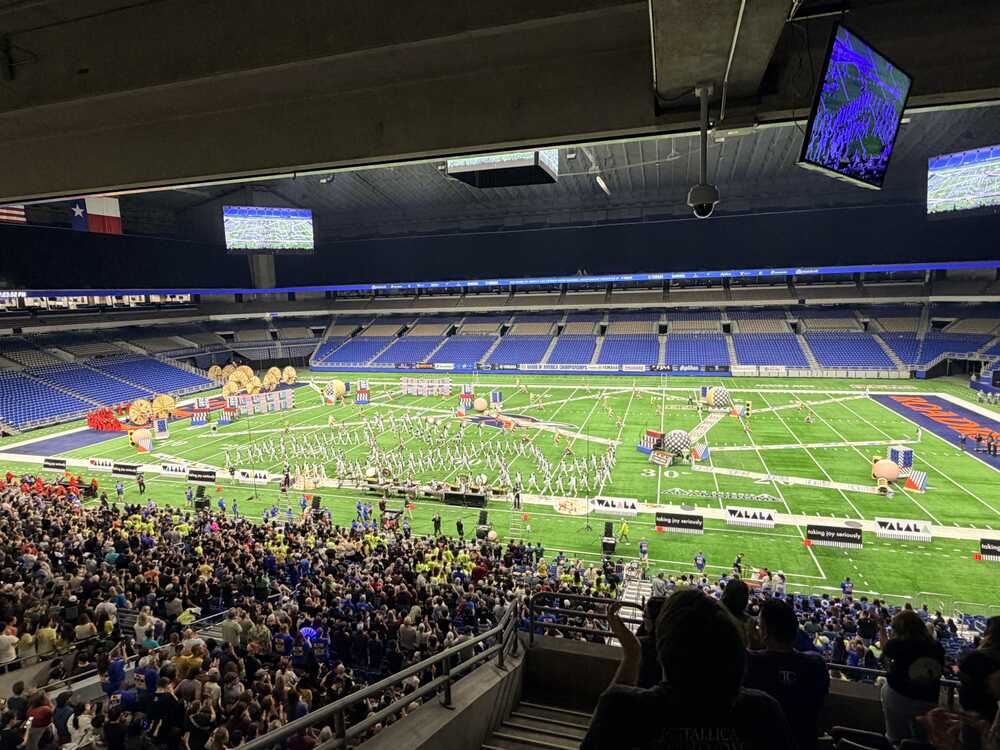
This past season, Dripping Springs High School Band made Bands of America Grand National Championships Finals, and while the achievement itself was incredible, what stays with me most is how it happened. I made a deliberate choice to allow myself to get fully lost in the process—to give that project my undivided attention, to trust the people around me, and to work shoulder-to-shoulder with dear friends who care just as deeply about the outcome as I do.
There was no shortcut. No multitasking. Just long stretches of focused problem-solving, shared ownership, honest collaboration, and belief in the work. The result wasn’t just competitive success—it was one of the most satisfying creative experiences I’ve ever had the privilege of being part of.
That project reinforced something running had already taught me: goals aren’t achieved through intensity alone. They’re achieved when you permit yourself to be present, to commit fully, and to let the work matter. When you do that, progress stops feeling forced—and starts feeling earned.
The Noise Isn’t as Powerful as We Think
Something else became clear as the year went on:
The outside world—especially the loud parts—has far less control over us than we’re led to believe.
The digital world keeps us informed, but it also keeps us anxious, reactive, and distracted. The more time I spent grounded in real effort, real movement, and real focus, the less impact that noise had. Problems didn’t disappear—but they shrank to their actual size.
When you’re present, the world stops feeling like it’s happening to you.
Forward, Not Faster
Turning 40 didn’t teach me how to do everything faster.
It taught me how to do fewer things better.
Running showed me that growth doesn’t come from intensity alone—it comes from direction, patience, and consistency. The same applies to creative work, leadership, and life in general.
If there’s one takeaway I’d offer, it’s this:
Give your attention fully to where you are. Lock in. Stay present. Let time do its work.
You might be surprised how far a year can take you.